Sharing the Nottingham consensus with a Scottish audience
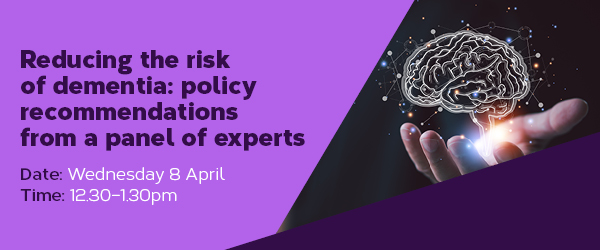
Following the publication of the Nottingham consensus on dementia risk reduction policy in January 2026, Dr Harriet Demnitz-King was invited to present the findings at a webinar hosted by Alzheimer Scotland. Together with Tommy Pouncey from our Patient and Public Engagement Group (PPEG), Harriet gave an overview of the consensus process and the 56 recommendations that the panel developed.
Over 60 people joined the webinar including Scottish academics, health and social care professionals, policymakers and family carers. Although the Nottingham consensus focused on England, it is underpinned by a robust global evidence base about potentially modifiable dementia risk factors. When asked about its relevance for Scotland, Harriet highlighted the breadth of stakeholders involved in the consensus and the many parallels between the English and Scottish health systems. She emphasised the importance of sharing the recommendations with policy stakeholders to ensure that they are “seen and acted upon”.
Bringing a complementary perspective, Tommy spoke about the patient and public involvement focus groups that took place before the in-person workshop in October 2024. These were led and attended by people with lived experience of dementia or another neurodegenerative disease, including family carers. The groups identified four priorities for the consensus: the importance of personalised information, acknowledging health inequalities within risk factors, not blaming people for ill health and only telling people about things they can control. “It’s great to see all four of these themes come through so clearly in the results”, he added.
At the end of the session, attendees shared their key takeaway or action in the chat. Several people were struck by the language of dementia ‘risk reduction’ in the consensus, rather than recommendations about how to ‘stop’ or ‘prevent’ dementia. One attendee planned to change their organisation’s messaging to “make it more positive and [place] less blame on individuals”. Others spoke about the importance of acknowledging health inequalities within risk reduction policy so that everyone can benefit.
We look forward to continuing the conversation with Alzheimer Scotland over the coming months.