
Learning across conditions and geographies at DeNPRU-QM
DeNPRU-QM is a national policy research unit covering all regions of England. Our remit also spans multiple health conditions, including all forms of dementia and all neurodegenerative diseases. We are committed to generating evidence that can make England the best place in the world for people to receive care for dementia and neurodegenerative diseases, wherever they live and whatever their background.
Our patient and public involvement (PPI) reflects the diversity of this remit. After working together on several projects, we asked members of our PPI group for their perspective on learning across conditions and geographies at DeNPRU-QM.
Can you tell us a bit about who you are, and your lived experience of dementia and neurodegenerative diseases?
Kate (Cornwall): I’m 51 and I was diagnosed with MS in September 2020. My partner has recently been diagnosed with Parkinson’s disease and Lewy Body Dementia, so I definitely don’t fit into one “box” anymore. I’ve gone from being cared for to being the carer whilst still trying to manage my own condition.
Mohammed (Bradford): I run a not-for-profit Community Interest Company called Meri Yaadain (My Memories). For the past 20 years, we have been supporting people of minoritised ethnic heritage living with dementia and their family carers. I cared for my own grandmother who lived with dementia, and I have also completed a PhD looking at the transitions in care for South Asian family carers.
Marie (Grimsby): I have been a mental health nurse for three years and an unpaid carer for my partner, my two daughters, my father and step‑father, who both have diagnoses of dementia. My father lived 25 miles away, so I often drove long distances after my shift at work to care for him and help make his home a safe place to live.
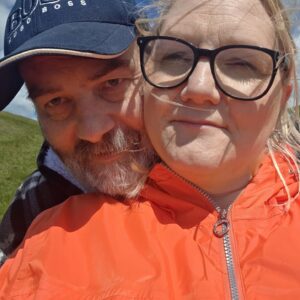 Kate and her partner Darren
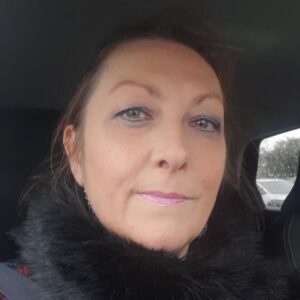 Marie
 Mohammed
Through your involvement in DeNPRU-QM research, you have joined meetings with people from across England with very different lived experience. What have you learned from these meetings, and what do you think others have learned from you?
Marie: I recently joined a meeting for project 7 where we discussed the best place for someone to be diagnosed with dementia. The other participants stated that home is the best place, but I argued that in my father’s case this would not have been safe for anyone because of his severe self-neglect. I hope that the other group members could recognise that not everyone has a safe home, and that there is a very real risk of vulnerable people slipping through the net because services don’t meet their needs.
Kate: I joined the group because of my MS, but I have learned so much about dementia, Parkinson’s, and other neurodegenerative diseases like progressive supranuclear palsy (PSP). I have been able to pass on what I have learned to people in my local area, particularly about risk factors for dementia that we can change (like high blood pressure). It has been really eye-opening to see the inequalities in access to care, and the pressures that health and social care staff are under. I hope that I have helped people to understand that accessibility is about so much more than what happens during your appointment. If there’s no public transport, or no disabled parking spaces, then many people won’t be able to get there in the first place.
Mohammed: I have learned that everyone’s experience is different: some people had great experiences getting a diagnosis, whilst others had very poor experiences. We had to accept that as a group to be able to move forward and explore what can work well in services and what to avoid. From my work with South Asian communities, I have been able to share insights about how terms such as ‘carer’ might be perceived, and why it is important not to make assumptions about someone’s preferred language. We need to aim for equity rather than equality, taking time to build trust with different communities and share culturally appropriate information.
From your involvement in DeNPRU-QM, what have you learned about how where you live can affect the care and support you receive? What changes would you like to see?
Mohammed: I have gained a fantastic insight into how care and support pathways for people with neurodegenerative diseases vary across the country. Often, the system isn’t joined up, creating a “postcode lottery” of care. I would like to see a national set of standards that everyone should aspire to, so that everyone in England knows how long it should take to get a diagnosis and where they can access support. People can’t ask for the help they need if they don’t know what is available.
Marie: The postcode lottery is not an abstract policy problem: it is the difference between a family getting help and a family breaking under the weight of caring alone. If I hadn’t been able to move my father’s care to a different area, I would have experienced carer burnout and become a patient myself. As well as the cost to people living with neurodegenerative diseases and their families, the postcode lottery costs the NHS more money through crisis admissions. From my own experience, being involved in research can lead to change and help other people. That is the most important thing for me.
Kate: I live in Cornwall, so I know that people in rural areas can experience longer wait times for appointments and 100-mile round trips to the hospital. I have learned that people across England are experiencing similar challenges with getting different trusts to talk to each other and the frustration of having to explain yourself again and again. Real life isn’t like a textbook, and people don’t stay in one box – we need to create systems that understand this complexity and consider the whole person and their context. I am so passionate about wanting researchers, policymakers and clinicians to understand the human impact of the postcode lottery and why joined up care is better for everyone.
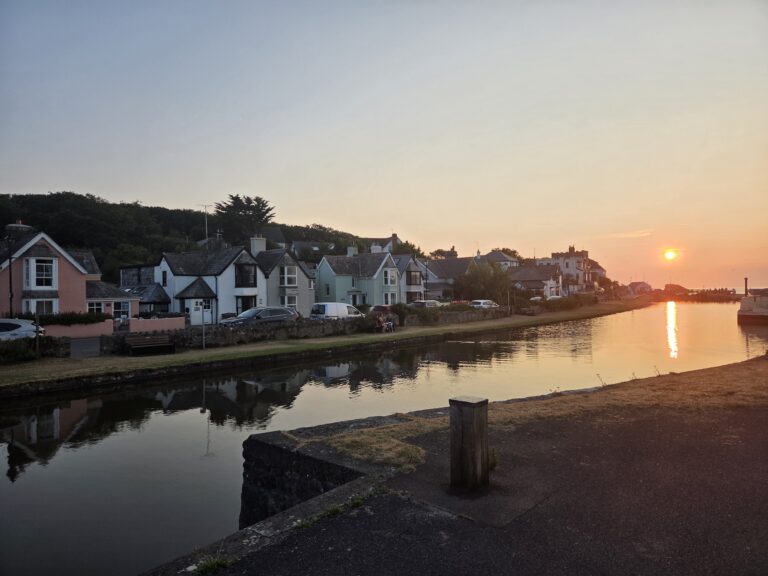
 A view of the sea in Cornwall
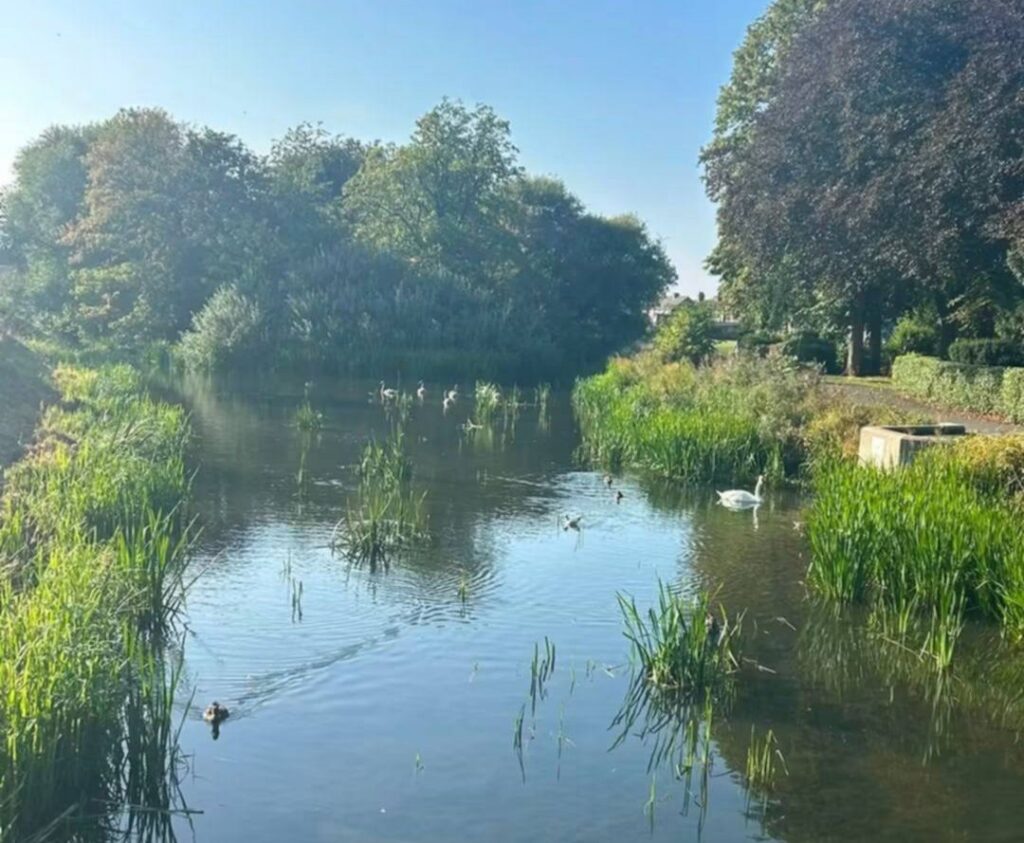 A local park in Grimsby
 Mughal Water Garden in Lister Park, Bradford
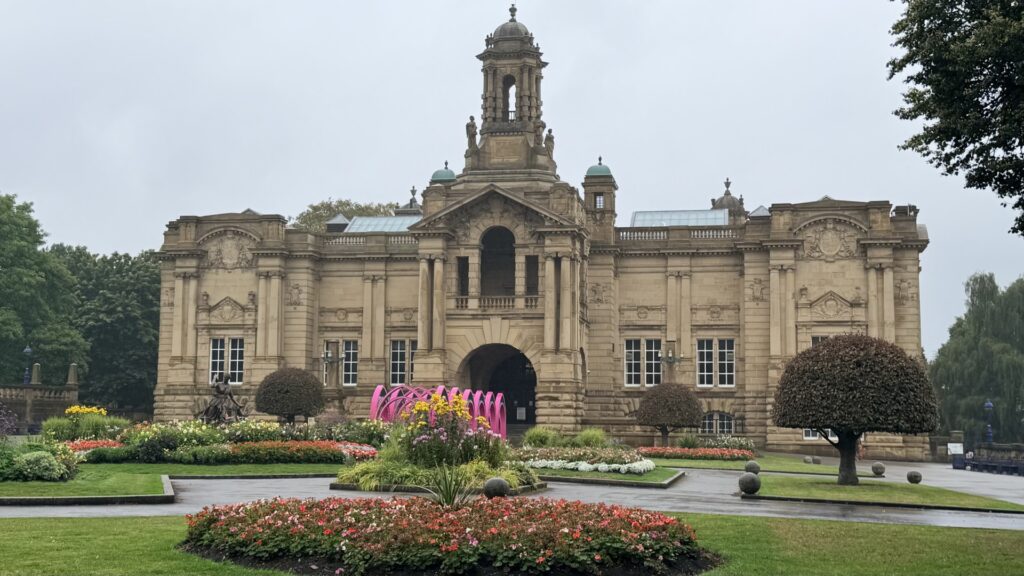 Cartwright Hall in Lister Park, Bradford
.